Launching Writer’s Workshop is one of the most exciting and effective ways to build confident, motivated writers in your elementary classroom. When done well, Writer’s Workshop provides a consistent structure, a supportive environment, and the tools young writers need to develop strong writing skills all year long. If you’re a teacher looking to set up a successful writing routine in your classroom, these five practical strategies will help you launch Writer’s Workshop with purpose and confidence.
1. Start with a Strong Foundation: What is Writer’s Workshop in the Classroom?
Before diving into mini-lessons and writing projects, it’s important to introduce what Writer’s Workshop is and why it matters. Students need to understand the purpose of this daily writing block—why we gather together to learn, why they’ll be writing independently, and why sharing our work is so valuable. I explain that Writer’s Workshop is a time when everyone is a writer, including me. We talk about growing as writers, embracing mistakes, and understanding that revision is part of the writing journey.
During the first weeks of school, I focus on teaching writing workshop management and procedural lessons. I model the writing process: prewriting, drafting, revising, editing, conferencing, and publishing. We explore each step with anchor charts, shared writing, and co-created examples to help students internalize the structure and routines. This strong foundation allows students to gain confidence and see themselves as capable writers right from the start.
This Writing Process Pencil Clip Chart is a visual tool that empowers students to take ownership of their writing journey. As they work through each stage—prewriting, drafting, revising, editing, conferencing, and publishing—they move their personalized clip down the chart to show where they are in the process. It’s a simple yet powerful way to keep students accountable, celebrate progress, and build independence during Writer’s Workshop!
2. Teach Writer’s Workshop Routines and Expectations Early
The earlier you establish clear routines and expectations for Writer’s Workshop, the smoother your year will be. I spend the first six weeks modeling and practicing routines: where to sit for mini-lessons, how to gather materials, what independent writing time looks like, and how to use whisper voices during partner sharing. We role-play everything, including what to do when you feel stuck.
Anchor charts for expected writing behaviors become a reference point during each lesson. These structures allow students to work independently, freeing me to confer with individuals or small groups. When students know exactly what to do, writing time becomes productive and focused.
3. Use Engaging Writer’s Workshop Tools to Motivate Students
Simple tools like colorful pens and personalized writer’s notebooks can have a huge impact on student motivation. One of my favorite moments is handing out green pens for revising and red pens for editing. Suddenly, students feel like real authors preparing their work for publication! These color-coded tools help them understand each stage of the writing process and give them a sense of pride and purpose.
Personalizing Writer’s Notebooks
Another powerful strategy is allowing students to decorate their writer’s notebooks. We dedicate time early in the year for students to personalize them with photos, stickers, magazine cutouts, drawings, and anything else that reflects their identity. I send a note home asking families to contribute, and students love bringing in pieces of their lives.
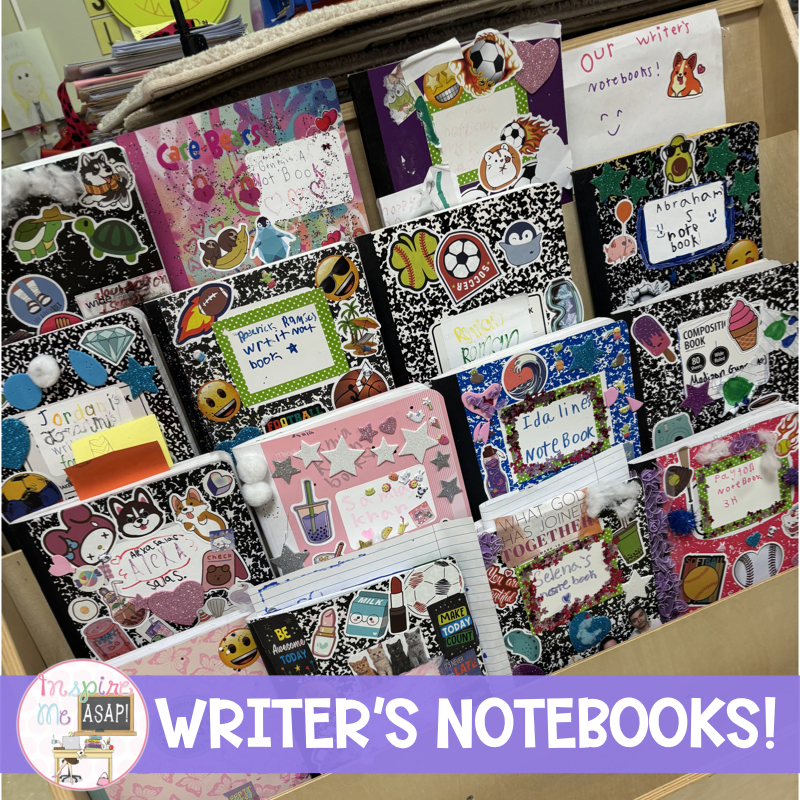
These notebooks become students’ go-to space for brainstorming from the heart, collecting seed stories, jotting down writing goals, and drafting their ideas. Later, they return to these pages during revision and editing, using their green and red pens to polish their work. This tool becomes a living portfolio of their growth as writers.
4. Build a Community of Writers Through Sharing and Celebration
A strong writing community is essential for a successful Writer’s Workshop. I start small with turn-and-talks and partner shares, gradually building to Author’s Chair and whole-group celebrations. We teach how to give kind, helpful feedback and how to be respectful, engaged listeners.
Writing celebrations—whether it’s a gallery walk, a writing café, or simply applause from classmates—happen early and often. These moments build confidence and show students that their words matter.
One of our first writing pieces is our “Hopes and Dreams” for the school year. I model my own goals and guide students to reflect on their personal and academic hopes. These first pieces are published and displayed on a bulletin board.
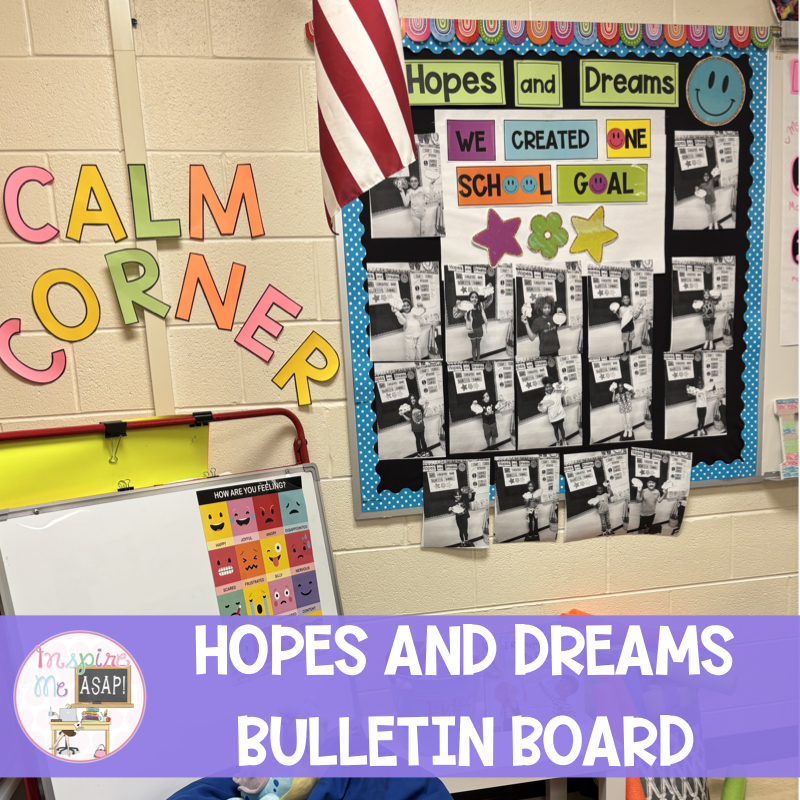
We kicked off Writer’s Workshop by writing our Hopes and Dreams for the year! These first pieces set the tone for goal setting, reflection, and writing with purpose. Our words matter—and these dreams remind us why we write.
Displaying these early writing pieces sets a tone of pride, purpose, and celebration. It reminds students that their writing is meaningful and valued.
5. Differentiate Writing Instruction to Support All Writers
One of the biggest strengths of the Writer’s Workshop model is its flexibility. Whether you’re supporting reluctant writers or pushing advanced students, differentiation is built into every part of the process. I offer graphic organizers, sentence stems, and writing checklists for students who need extra structure. For students who need a challenge, I encourage experimentation with figurative language, word choice, and narrative craft.
Writing conferences are the heart of this differentiation. During these 1:1 moments, I learn what each writer needs, set personalized goals, and offer targeted feedback. These short check-ins create powerful growth moments for each student.
During the revising mini-lesson focused on “A = Add” (from the ARMS strategy), differentiation happens naturally. For students needing support, I provide sticky notes or sentence starters to help them add dialogue, setting details, or character feelings. We might work in a small group to practice adding one strong sentence to clarify or deepen meaning.
Students above grade level are invited to add figurative language, zoom in on key moments, or expand with internal thinking and sensory details. This ensures every writer is stretching within their zone of development while learning the same core revising skill.
Final Thoughts: Why Launching Writer’s Workshop Matters
Launching Writer’s Workshop can feel overwhelming, but with the right tools, structure, and mindset, it becomes one of the most rewarding parts of your school year. These five proven strategies have helped me create joyful, independent writers year after year. When students see themselves as authors and understand the power of their words, magic happens.
✏️ Writer’s Workshop | Writer’s Notebooks & Lessons for Writing | Launch Writing Workshop with Confidence!
Looking to launch Writer’s Workshop in your classroom with confidence and ease? This fully scripted unit will guide you step-by-step through the first weeks of writing instruction—while helping your students fall in love with writing from day one!
Perfect for primary grades, this comprehensive writing workshop launch unit includes everything you need to establish routines, introduce the writing process, and support all writers with differentiated strategies. Whether you’re a new teacher or refreshing your workshop model, this time-saving resource helps you build a classroom community of enthusiastic, independent writers.
✅ What’s Included:
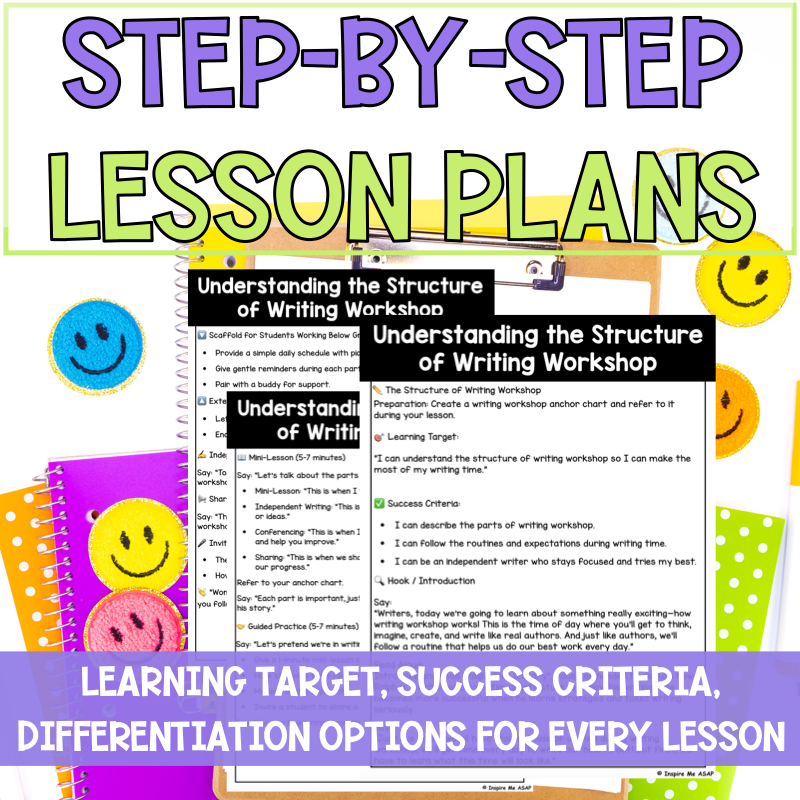
- 19 fully scripted, step-by-step writing mini-lessons that introduce:
- The writing process (prewriting, drafting, revising, editing, publishing)
- Writer’s Workshop routines and expectations
- Conferencing strategies
- Revising and editing using ARMS and COPS
- Goal setting, sharing, and celebrating writing
- Consistent pacing guide to launch your first several weeks of writing with clarity and structure
- Mentor text suggestions that connect real literature to writing strategies
- Anchor chart posters to reinforce routines, writing tools, and the stages of the writing process
- Built-in differentiation to support writers working below, at, or above grade level
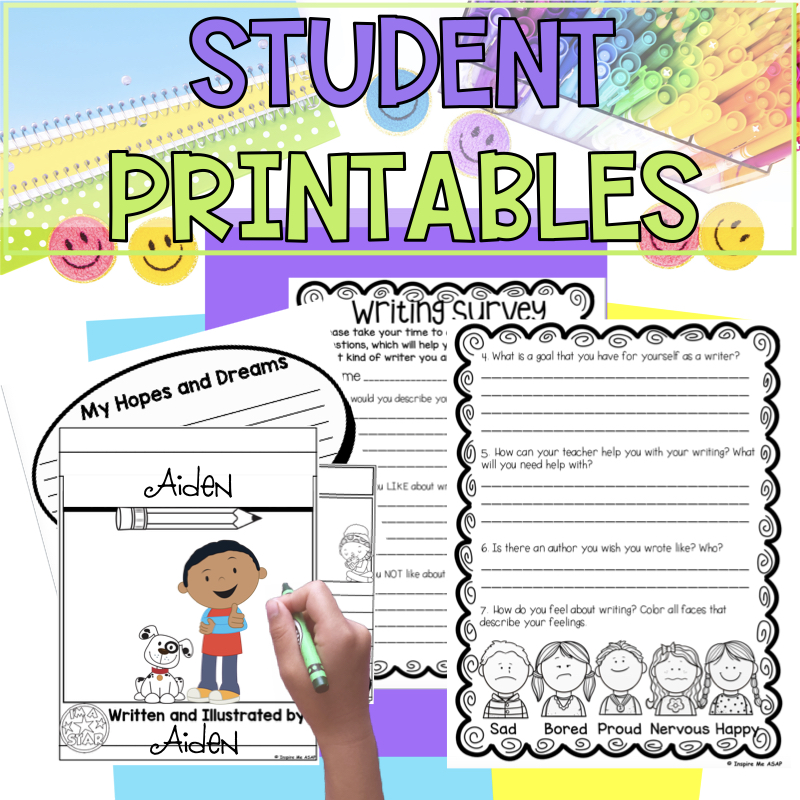
- Printable writing workshop tools, including:
- Writer’s Notebook setup and family letter
- Writing surveys and Hopes & Dreams goal-setting pages
- Heart maps and brainstorming tools
- Glow & Grow conference forms
- Pencil-themed writing process clip chart for tracking progress
- Peer editing checklists
- Celebration ideas and publishing paper options (lined, unlined, book templates)
📚 Each lesson includes:
- “I Can” statements and clear success criteria
- Suggested mentor texts
- Engaging hooks and teacher language
- Independent writing time
- Sharing and closing routines
- Differentiation tips built into each lesson
Why Teachers Love This Writing Workshop Unit:
✨ It’s fully scripted—saving you hours of prep
✨ It helps you teach the entire writing process with ease
✨ It creates consistent routines and classroom community
✨ It inspires reluctant writers and challenges advanced ones
✨ It builds confidence, independence, and a lifelong love of writing!
💡 Perfect For:
- Teachers launching writing workshop in grades 1–3
- New teachers who want support and structure
- Veteran teachers looking to refresh and re-energize their writing block
- Back-to-school writing instruction with purpose and joy
Start the year strong by setting up a Writer’s Workshop your students will LOVE. This unit gives you the tools, structure, and inspiration to build lifelong writers—one lesson at a time.
Whether you’re new to Writer’s Workshop or just looking to strengthen your launch, this unit will help you build confident, capable writers from day one. You’ve got this!